


OVW Grantees interested in using OVW grant funding to cover the costs of attending this event must submit a Grant Award Modification (GAM) to the DOJ JustGrants system for approval.
Workshops

Advocacy, Clinical, Coordinated Community Response, Dispatch, Domestic Violence, Gender-based Violence, Law Enforcement, Legal, Medical Examiner, Rural, Sexual Assault, Stalking, Technology, Tourism, Trafficking
Alcohol: A Sex Offender's Weapon & Shield
Julie Germann
As many people travel for vacation, getaways, family visits, or work-related business in coastal cities and resort towns, alcohol is often a staple used to relax, celebrate, or seal a deal. However, studies and experience also reveal that alcohol is the cheap, legal, culturally acceptable intoxicant that is present in many sexual assaults that also results in victims being more vulnerable, causes gaps in their memories, makes them less likely to report the assault, and less likely to be believed. Additionally, victims of alcohol-facilitated sexual assault may not be able to provide a complete account of the assault or may only have suspicions or heard rumors of what happened to them. Conversely, perpetrators of sexual assault use alcohol or drugs as a weapon to create or exploit vulnerabilities in their victims and will use their own intoxication as a shield to deflect responsibility. This workshop will examine the role alcohol plays in facilitating sexual violence by increasing victim vulnerability and blurring the lines of consent. The presenter will focus on investigative and prosecution strategies for supporting victims of alcohol-facilitated sexual assault and uncovering and identifying predatory behavior.
Advocacy, Legal, Sexual Assault
All Out in the Open: Using OSINT in Human Trafficking Investigations
Joseph Scaramucci
Human trafficking investigators and analysts often face challenges in utilizing open-source intelligence (OSINT) in their investigations. What also can be difficult is investigating without victim cooperation or possessing the proper technical tools that could enhance those investigations. In this workshop, the presenter will guide attendees through the process of using publicly available information to identify human trafficking victims and target offenders. The discussion will also cover how to conduct these operations effectively with minimal funding and manpower. Additionally, the presenter(s) will demonstrate how these OSINT tools can be applied to a variety of criminal investigations beyond human trafficking.
Law Enforcement, Technology, Trafficking
Aquatic Crimes Against Women Staged as Noncriminal Swimming Pool & Open Water Deaths
Andrea Zaferes, Erica Olson, Kenneth Rosgen, Russell Strand, Myra Strand
When investigators respond to a crime scene involving water, several questions are inevitable… Is this an accidental drowning? Was she homicidally drowned? Is this a strangulation staged as a suicidal drowning? Or is this a postmortem body disposal? Just as fire investigators and crash reconstructionists need training to recognize, identify, document, and investigate their respective scenes, anyone working cases involving pools or open water scenes need training on the realities of what happens to living and dead bodies in water. This includes the drowning process, how to determine truthfulness and deception during interviews, processing aquatic scenes, recovering small, submerged evidence, packaging submerged bodies, processing submerged evidence for prints and DNA, and more. This interactive session provides hands-on skill practical drills that include optional in-water experiences and is valuable for law enforcement, CSI’s, aquatic first responders, prosecutors, and anyone who would work aquatic crimes against women cases.
Law Enforcement, Medical Examiner, Tourism
Between the Dunes & the Backroads: Spotting & Reducing Lethal IPV in Rural & Coastal Communities
Erica Olson
Rural and coastal communities all share a lethal secret: victims of intimate-partner violence in low-resource; high-isolation settings reach help later—if at all—and die at higher rates. Furthermore, lethality factors are often misinterpreted or overlooked that can escalate risk in these communities. In addition to those lethality factors, structural obstacles also block a victim’s escape or systems intervention. This workshop is designed to equip multidisciplinary responders to detect lethal red flags, overcome hometown barriers, and launch low-cost countermeasures that save lives without metro-sized budgets. The presenter will encourage attendees to move from information to action through polls, lectures, and mapping activities with take-home tools including MOU/form templates and protocols. Along the way, the presenter will review research-based and rural-specific lethality factors (gun saturation, lack of anonymity & confidentiality, pets & farm animals) and share field-proven solutions like confidentiality layering, using the DA-5 assessment, mobile/telesafety support, unique coastal and rural community partnerships, and protocols to minimize few-people-many-hats burnout. Additionally, attendees will be provided with skills to identify high-risk cases and barriers to intervention, innovative hacks and practices, and access checklists, templates, and resources.
Advocacy, Coordinated Community Response, Gender-based Violence
Beyond the Obvious: Identifying, Investigating, & Prosecution of Strangulation Crimes
Kelsey McKay
Legislation alone has not provided adequate guidance to first responders to identify subtle symptoms, understand defensive injuries, or document information to overcome the challenges that arise during prosecution. Despite the critical nature of these crimes, they are frequently minimized due to a lack of obvious injuries of the victim or is confused by external signs on the suspect. This workshop examines the severity and dangers of strangulation and asphyxiation in domestic violence and sexual assault cases. By understanding the psychological and physiological impacts of strangulation, the presenter(s) will highlight the skills necessary to identify, document, and translate evidence for successful prosecution. Evidence-based tools and guidance to effectively assess, document, and navigate the complexities of non-fatal strangulation cases will be discussed with the goal of enabling attendees to overcome common challenges and potential defenses.
Law Enforcement, Legal
Building on the Basics: Strategies for Domestic Violence Response
Jordyn Lawson
Have you wondered if someone might be in a domestic violence relationship or situation but you are not quite sure? Did you worry that she may or may not be suffering? Once determined that she might be in danger, do you question how you may get her access to resources and services? How about finding yourself feeling frustrated while working with a victim of domestic violence? Ever thought to yourself… “Why won’t she listen?” This workshop will discuss typical reactions from victims that may affect their ability and/or willingness to participate in the investigation, prosecution, or therapeutic process based on where they are at in the stages of change. The presenter will also lay out practical ways to address these reactions and overcome barriers to communicate with victims of domestic violence more effectively. Attendees will have the opportunity to ask questions and practice effective phrasing and approaches using hypothetical scenarios.
Advocacy, Domestic Violence
Building Safer Outdoor Recreation Workplaces: Active Bystander Strategies to Minimize Harassment in Rural & Resort Communities
Ariel Atkins
In outdoor recreation, where safety, inclusion, and a positive work environment are critical, harassment and violence are pressing issues that undermine both individual well-being and organizational culture. This scenario-based workshop delves into these challenges, drawing on concerning statistics that highlight the frequency of harassment and assault in the outdoor industry, underscoring the urgent need for systemic change. Attendees will be taught how to foster positive cultural shifts and reduce incidents of harassment and violence through a risk management approach. The presenter will cover the systemic factors that contribute to these issues, strategies for recognizing and de-escalating escalating behaviors, and essential active bystander skills. Through interactive discussions and hands-on exercises, attendees will be given the opportunity to deepen their understanding of the complex dynamics of harassment and violence in outdoor settings. Practical strategies and a heightened sense of awareness, equipped to drive cultural change in their own communities will also be discussed.
Advocacy, Rural, Tourism
The Dark Side of AI: Understanding Emerging Threats in Remote and Rural Communities
Eric Jollymore
Artificial intelligence is transforming how digital crimes are committed—introducing new risks that can reach victims in even the most isolated areas. The presenter of this workshop will explore how tools like ChatGPT, voice cloning, and deepfake generators are being used in harassment, impersonation, and abuse. While the AI landscape is still evolving—and few tools offer definitive solutions—awareness is critical. This workshop is designed to equip attendees to recognize threats, understand AI’s limitations, and begin educating their agencies and communities on how to navigate this technology safely and responsibly.
Law Enforcement, Rural, Technology, Tourism
Defending Injustice: Investigating & Assessing Survivor Culpability in Abuser Homicide
Kelsey McKay
There is a critical role that law enforcement and prosecutors must uphold when faced with the troubling trend of charging victims with assault and homicide. Enhancing trauma-informed interviewing and improving the assessment of credibility, culpability, and justification in these complex cases is key. The presenter(s) will draw on their collaboration as a defense attorney and expert in cases involving women who have killed their abusers, emphasizing the need for context and trauma-informed approaches. This workshop will illustrate the risks of traditional investigation techniques, showing how they can lead to misunderstandings and injustices. Case studies to develop a framework for navigating challenges and avoiding common missteps will be explored. Additionally, the workshop will provide strategies for identifying various forms of abuse, recognizing escalation patterns, and applying trauma-informed techniques to gather essential information for informed charging decisions.
Legal, Law Enforcement
CASE STUDY: The Derrick Davis Stalking Case: A Case Study in Overcoming Investigative and Legal Obstacles
Leah Dintino, Kristen Jackson, Garrick Whaley
This case study examines the investigation and prosecution of Derrick Davis, who stalked his former dating partner from March to April 2021. Despite multiple calls to law enforcement, Davis’s victim was dismissed and unprotected as he repeatedly harassed her—calling, texting, breaking into her home, and driving around her neighborhood. The situation escalated in April 2021 when the victim shot Davis as he attempted to enter her home. A detective later recognized this as a stalking case. The case study will explore the failures of the initial law enforcement response, highlighting how officers’ lack of understanding of stalking put the victim at risk, instead of recognizing the threat she faced. It will also discuss the retrial of Davis in 2025, after his conviction was overturned in 2023 due to a jury charge error. The prosecution corrected the mistakes of the first trial, leading to a guilty verdict and a 20-year sentence. Key testimony from Davis’s ex-wife, and his prior conviction for a similar crime, reinforced the severity of his actions. This case underscores the importance of proper training in stalking cases and the role of the prosecution in correcting trial errors for justice.
Law Enforcement, Legal, Stalking
The Difference Between Justice & Injustice: Writing Accurate Sexual Violence Police Reports
Kenny Smith, Kristin Daley
Report writing is one of law enforcement’s most basic yet critical tasks. It is our best chance to make a difference in our community and the lives of those we serve. Writing an accurate report for any crimes against persons case is crucial to working a successful investigation and holding perpetrators accountable. In this conversational and interactive workshop, the presenters will examine report writing for sexual violence cases through classroom discussion and practical exercises. Strategies on how to effectively apply the core principles for writing an accurate police report will be provided. The power of language and its use as well as the ability to effectively apply critical writing strategies to reflect the victim’s or witness’s experience more accurately will be discussed. The presenters will also provide what information is needed for a successful police report, how to obtain that information best, and how to describe the information best for the reader, creating a strong foundation for a successful investigation.
Advocacy, Law Enforcement, Rural, Sexual Assault
Engaging & Empowering: Prevention in the Service and Tourism Industry
Anna Nasset
Having worked in the service industry off and on since she was 16 years old, trainer Anna Nasset knows it well and has insight to the harms and hurdles. When her career pivoted to public speaking on violence against women, she looked at the ski/mountain bike community she resides in and combined her past work experience and her new career to create the Stand Up for Safety campaign through her Chamber of Commerce. This campaign, the first in the country, includes training service industry workers on the basics of violence against women and how they could be part of the change as well as community outreach through partnering businesses. In this session, Anna will teach advocates on how they can create similar campaigns in their areas, engage outdoor and adventure communities, and the unique challenges in training adults on violence against women. Statistics alone will show us that sexual assault, human trafficking, and other crimes occur weekly at our inns, restaurants, bars, and resorts which begs the question… what can we do about it? We can engage them to be part of the change!
Advocacy, Gender-based Violence, Tourism
How to Conduct an Effective Sexual Assault Pre-text Call
Tanya Wollstein, Kristen Arnaud
Cold sexual assault reports are common and often challenging to investigate and successfully prosecute. Cold sexual assault cases commonly present with no physical evidence available for collection. A pretext call can provide the evidence needed to effectively investigate and prosecute sexual assault cases. This workshop will teach attendees how to conduct an effective pretext call between the victim and suspect.
Law Enforcement, Sexual Assault
How to Make Testifying a Healing Experience for Survivors
Ruth Guerreiro, Jordyn Lawson
Testifying in court can be re-victimizing for a victim who has experienced physical or sexual abuse. This workshop will help attendees understand how trauma impacts the brain as well as other areas of functioning. The presenters will explore ways to prepare the victim for a successful and healing experience on the witness stand, to benefit the victim rather than traumatize her further when her testimony in court is required.
Advocacy, Clinical, Legal
Human Centric Interviews : Forging Forward to Improve Our Practice
Russell Strand, Myra Strand
Trauma-informed interviews have all paved the way in which we seek to understand the human experience of victims, suspects, and witnesses of crime and tragedy. As we continue to learn about human behavior, memory, impact of trauma, etc., practitioners need to continue to apply advances in our knowledge and forge ahead to improve our practices. It’s not just trauma or a traumatic experience we need to understand – it’s so much more – many other factors can affect ability and motivation to recall. There is a need to seek understanding and connection through an intersectional lens to better comprehend behavior and recall including past experiences, neurodiversity, complex trauma, non-linear memory, polychronic time, environment, and genetics to name just a few. Service providers must connect with and understand the human in front of us as a human being facing what can sometimes be an inhuman system – everyone must be authentically human most of all. In this engaging workshop, attendees will delve into the art of human-centric interviews, focusing on understanding the human experience through the lens of trauma-responsive care, trauma memory, bodyology of trauma (how trauma impacts the body, mind, and spirit), relaxation techniques, authentic human connection, and healing-inspired practices. This workshop is also designed for multidisciplinary professionals across the criminal justice system seeking to deepen their understanding of human experiences through empathetic and compassionate human interactions.
Advocacy, Law Enforcement
Human Trafficking: Breaking the Triangle
Alan Wilkett
Trafficking is extremely prevalent in both surprising and expected situations such as at a local high school, within a family-owned business, in a religious space, or at a national sporting event. Activity in coastal cities, resort communities, and rural towns are no exception. While difficult to detect and even harder to prosecute, many traffickers are particularly able to avoid capture when operating in specific areas that experience a sudden and overwhelming influx of tourists, vacationers, or seasonal retirees. As investigators confront the numerous components that enable human trafficking to occur, intersectionality is a critical piece to consider along with in-depth insight and knowledge regarding the environmental elements that allow for trafficking to exist and even flourish. Therefore, breaking the triangle is heavily reliant on understanding and engagement. The presenter of this workshop will discuss emerging trends, push/pull factors, disrupting vulnerabilities and contributing geographical and community drivers related to human trafficking.
Law Enforcement, Trafficking
In Her Shoes: DV
Ruth Guerreiro, Jordyn Lawson
In Her Shoes® was created by Washington State Coalition Against Domestic Violence and provides an opportunity for participants to act, think, and make choices as a person experiencing an abusive relationship. Through this experiential learning, participants come away with a deeper understanding of how difficult it is to navigate systems, find effective support, and make the decision to leave an abusive partner. In Her Shoes® has been used across the county to train hundreds of professionals and communities. Following the simulation exercise, the presenters will lead a debrief for participants to discuss what they learned and how this impacts their work.
Advocacy, Domestic Violence
In Her Shoes: Economic Justice
Ruth Guerreiro, Jordyn Lawson
In Her Shoes® was created by Washington State Coalition Against Domestic Violence and provides an opportunity for participants to act, think, and make choices as a person experiencing an abusive relationship. Through this experiential learning, participants come away with a deeper understanding of how difficult it is to navigate systems, find effective support, and make the decision to leave an abusive partner. In Her Shoes® has been used across the county to train hundreds of professionals and communities. Following the simulation exercise, the presenters will lead a debrief for participants to discuss what they learned and how this impacts their work.
Advocacy, Domestic Violence
Interviewing Strategies for Domestic Violence Investigations
Kimberly Korrin
Crimes involving intimate partners can be some of the most difficult to investigate, especially when each party has their own reasons to limit or avoid detailed reporting. This can lead to frustration and apathy of law enforcement who often rely on asking leading questions through “just the facts” styles of interviewing. This not only hinders their own investigative efforts, but it limits their decision-making abilities and can leave victims vulnerable to escalated violence. The presenter will draw on concepts of statement analysis, forensic interviewing, trauma-focused interviewing, and active listening skills to offer tools and strategies for stronger engagement in conversational interviews to increase the opportunity to capture detailed experiences from each party. Through these, the lens will focus on how to recognize and showcase abuser tactics and manipulation, to illicit and reveal the manner, means, and dynamics of victimization, and to identify and develop investigative triggers and leads to corroborate and aid thorough investigations that extend beyond the verbal reports.
Domestic Violence, Law Enforcement
Location, Location, Location! Overcoming the Challenges Investigating Human Trafficking in Rural & Resort Communities
Jane Anderson, Miiko Anderson
Human trafficking can occur in every jurisdiction, but it will look different depending on the unique aspects of a community. In rural and resort communities, traffickers can exploit specific individual and situational vulnerabilities to facilitate sex and labor trafficking. Factors like isolation, the transient nature of victims and witnesses, and the pressure to protect local economies create substantial barriers to identifying and investigating these crimes. Additionally, the harmful “what happens in Vegas stays in Vegas” mindset further complicates efforts. This workshop will focus on how to build a coordinated response across jurisdictional boundaries to combat human trafficking in rural and resort communities. The presenter will facilitate discussions around the complexities of serving victims who may be exploited in one community and return to another, and provide practical strategies to enhance the identification, investigation, and prosecution of sex and labor trafficking in communities exploited by traffickers hoping to escape accountability.
Law Enforcement, Legal, Trafficking
No Man's Land: The Intersection between Smuggling & Trafficking
Kirsta Melton
In between the crimes of trafficking of persons and smuggling lies a deserted landscape littered with confusion, uncertainty and political risk. Practitioners often simultaneously conflate the two crimes while ignoring the opportunity to develop trafficking cases from encounters with undocumented people. This workshop is designed to distinguish the two crimes and their accompanying dynamics, discuss current Texas criminal provisions, and address the ongoing litigation surrounding 2023’s SB 4. In addition, the workshop will cover the vulnerabilities that make undocumented people trafficking targets and perpetuate their exploitation in forced sex and labor once they enter the United States. The presenter will provide strategies on how to identify potential trafficking while working smuggling cases, how to successfully interview and work with victims who are unlikely to self-identify, and the federal immigration remedies that will allow investigators to keep cooperating witnesses in country to assist with case development.
Legal, Trafficking
Prosecutorial Strategies for Violence Against Women Cases in Rural Spaces
Suzy Boylan
Rural prosecutors face unique challenges in responding to violence against women, and prosecuting these crimes requires specialized knowledge, training and experience. So what happens in jurisdictions too small to afford the training or gain the experience?
In this session, the presenter will explore the critical role prosecutors play in setting the tone for a community’s response to these crimes and discuss creative, practical strategies for rural prosecutors to build expertise, prosecute cases effectively, and ultimately strengthen public trust in the criminal justice system. The session will also examine common ways in which prosecutors risk losing community trust when they fail to keep pace with current practices. Attendees will also have the opportunity to share local challenges and innovative solutions during an interactive discussion period. Because when prosecutors lead, the system follows—and survivors take notice.
Gender-based Violence, Legal, Rural
The Psychology of Domestic Violence & the Role of the Telecommunicator
Jason Long
Within the dispatch and telecommunicator sphere, hazards exist when responding to and handling domestic-related incidents. The presenter will explore the reasons why victims may choose to remain in such situations, as well as other relevant domestic-related statistics. Additionally, the presenter will evaluate methods through which telecommunicators can contribute to preventing responder injuries and fatalities during these routine calls for service.
Dispatch, Domestic Violence, Law Enforcement
Religion & Rural: Exploring the Impact of Spiritual Abuse within Small Towns
Theresa Galan-Bruce, Ann Reiter
This session focuses on understanding and addressing spiritual abuse within the context of domestic violence in rural communities. Participants will learn to define spiritual abuse as the misuse of religious or spiritual beliefs to exert power and control over a partner, often leading to deep emotional and psychological harm.
The training will identify rural communities’ unique challenges, such as geographic isolation, limited access to services, tight-knit social networks, and the prominent role of faith institutions. Attendees will be guided in recognizing the signs of spiritual abuse, including the manipulation of scripture, enforced religious practices, or spiritual shaming. The session will also explore practical strategies for partnering with faith leaders, emphasizing collaboration that respects both survivors’ spiritual values and their safety. By the end, participants will be equipped to promote safety and empowerment for survivors, ensuring responses are both trauma-informed and culturally relevant to rural, faith-centered communities.
Advocacy, Gender-based Violence, Rural
A Strategic Guide to Interviews & Interrogations
Eduardo Ibarra
When law enforcement is investigating a homicide case, relying on suspect cooperation can be challenging and frustrating as the questioning portion of the investigation can be compromised by such characteristics as arrogance, deceit, sadism, anger, criminality, or fear. Therefore, being able to extrapolate as much information as possible from a suspect to ensure victim and public safety, holding an offender accountable, and hopefully obtaining justice for survivors is crucial. The presenter of this workshop will discuss how to legally and strategically use communication techniques to build rapport with individuals, which can increase the likelihood of a successful interview/interrogation.
Law Enforcement
Strengthening the Response to IPV-Related Strangulation: Bridging Policy, Practice, and Research
Billy Cordell, Casey Davis, Tara O'Connor Shelley
The presentation reviews the nature and extent of strangulation, its dangers, adverse medical consequences, and a review of a Strangulation Ordinance in Burleson, TX. The Ordinance mandates extensive training for first responders and a city-wide response protocol involving an on-scene medical response. The presentation examines features of the Ordinance, its implementation, and outcomes from an independent evaluation. Learning objectives for the session include: 1) Identify the nature and dangers of intimate partner violence-related strangulation, 2) Demonstrate key components of an Ordinance and protocol designed to respond to strangulation, 3) Assess the effectiveness of the Burleson Strangulation Ordinance and Protocol based on findings from the NIJ, U.S. DOJ-funded research evaluation.
Domestic Violence, Law Enforcement, Legal
Trafficking within the Borders & Beyond: An Introspective View of Human Trafficking Investigations
Juan Carlos, Cassandra Clarke, Amy Leal-Alvarado
Labor and sex trafficking is a complex, pervasive problem and public safety issue that has had a devastating impact on victims and their families as well as on law enforcement and the communities that they serve. In some states that have borders with other countries and direct access to large bodies of water, those jurisdictions are especially susceptible to this specific type of exploitation. In Texas, according to the National Human Trafficking Hotline, there have been 9,615 cases of human trafficking with 22,451 victims identified. Furthermore, the Department of Homeland Security (DHS) reports for Texas that after the development of implementation plans, 3,655 trafficking-related arrests have been made with DHS having supported over 1,000 trafficking-related indictments and 600 prosecutions. By highlighting several trafficking cases, the presenter of this workshop will provide an overview of the work DHS does to help combat sex and labor trafficking with a specific focus on trafficking involving the border and will discuss the various programs and policies that the DHS has implemented such as a forensic interview program, a victim assistance program, and a legal program geared towards trafficked undocumented immigrants. Strategies for local and federal collaboration regarding human trafficking investigations will also be discussed.
Law Enforcement, Trafficking
Trauma-Informed Scuba Diving & Snorkeling
Myra Strand, Russell Strand
“Dive Into Trauma” is an engaging and restorative training session exploring how diving, snorkeling , or even floating, can serve as powerful tools in reducing stress and trauma’s impact on the human body. There is significant research extolling the benefits of scuba diving and snorkeling. This workshop will include a review of some of this research to provide a basis of knowledge and understanding to encourage professional wellness through a variety of means. Through understanding the physiological and psychological benefits of water-based activities, attendees can discover how immersing oneself in aquatic environments fosters relaxation, promotes mental clarity, and supports healing. This workshop combines scientific insights, practical techniques, and experiential elements to inspire participants to incorporate diving and snorkeling or floating as part of a holistic approach to trauma recovery and stress management. The benefits of scuba diving and snorkeling to not only assist helping professionals but also the people we serve will also be highlighted.
Advocacy, Tourism
Trial Practice for Law Enforcement and Advocates: Cross-Training for a Successful Prosecution
Suzy Boylan
Most criminal cases don’t go to trial. However, prosecutors have to approach each individual case with the assumption that it will. A successful trial doesn’t rely only on a skilled prosecutor; it requires a thorough, trauma-informed investigation that anticipates defense tactics; and knowledgeable, victim-centered advocacy that protects and supports the victim in a team effort with the prosecutor throughout the legal process. However, that process is complex and can be truly mystifying to non-lawyers. And in smaller jurisdictions, law enforcement and advocates may not have the opportunity to observe the trial process before having to go through it themselves. In this workshop, the presenter will use real-life examples to go through the “anatomy” of a trial so that law enforcement and advocates can better understand how their roles can make – or break – both the survivor’s experience in the criminal justice system and the chance of a guilty verdict. The presenter will also facilitate a Q&A/group discussion aimed at further demystifying the trial process and will solicit written questions at the beginning of the session in order to give attendees the opportunity to ask questions anonymously.
Advocacy, Law Enforcement, Legal
Unmasking the Master Manipulators: Performing Effective Death Investigations
Andrea Zaferes, Kenneth Rosgen
The crimes of stalking are complex and often overlooked. This workshop, tailored specifically for law enforcement and victim advocates, offers a deep dive into the realities of these crimes, Attendees will explore the diverse tactics used by stalkers, from traditional harassment to the increasingly prevalent cyberstalking and the hidden threat of proxy stalking, where third parties are manipulated to intimidate victims. The presenters will shed light on the psychological, social, and economic impact on victims, equipping participants with the knowledge to recognize escalating behaviors before they become dangerous. It will also provide a comprehensive overview of the legal landscape, including the latest laws and promising practices for evidence collection that are crucial for building strong cases against perpetrators. The workshop will also gain valuable insights into providing holistic support, from crisis intervention and legal advocacy to safety planning and effective collaboration with law enforcement and community resources. Through real-world case studies and interactive discussions, attendees will be provided with actionable strategies to strengthen their response to stalking, protect victims, and pursue justice.
Law Enforcement, Medical Examiner
Unseen Advocates: The Vital Role of First Responders in Domestic Violence Response
Jim Schmidt
911 dispatchers, Fire, and EMS personnel are often times left out of the equation or not included in the conversation when talking about domestic violence. Therefore, this workshop is designed to equip these vital service providers with essential knowledge and skills to effectively respond to domestic violence incidents. The presenter will cover recognizing the dynamics of domestic violence, ensuring scene safety, identifying signs of strangulation, and providing trauma-informed care. Additionally, the presenter will introduce attendees to local and national resources and share strategies for improving their response to domestic violence.
Advocacy, Dispatch Law Enforcement
CASE STUDY: Violence Against Women in the Outdoor Activity Space
Myra Strand, Russell Strand
In 2013, a series of sexual assaults within the Grand Canyon region shook the outdoor community and brought urgent attention to the pervasive issue of violence against women in adventure and outdoor recreation settings. For me, this incident marked the beginning of a personal and professional journey to address safety, equity, and accountability within the outdoor industry. This case study explores the complex challenges surrounding violence against women in outdoor activities—from wilderness expeditions to adventure tourism—using the Grand Canyon case as a pivotal starting point. The presenters will examine how conversations about safety, power dynamics, gender equity, and intersectionality have evolved over time within the outdoor community. Additionally, the course will address issues of access and inclusion, highlighting how race, socioeconomic status, ability, and other identities intersect with gender to influence experiences and vulnerabilities in outdoor spaces. Through a detailed case study approach, students will analyze the social, cultural, and systemic factors contributing to these issues, as well as the industry’s responses and ongoing efforts toward change. Attendees will be taught about the complications involved in fostering a safe, equitable, and inclusive outdoor environment. This case study workshop aims to inspire innovative, non-systemic approaches to addressing crimes against women and encourages outdoor leaders to prioritize safety, foster respectful and inclusive communities, and advocate for meaningful, intersectional change within the industry.
Advocacy, Law Enforcement, Tourism
What You Need to Know About the 89th Legislative Session: A Focus on Victim Safety in Border, Rural and Resort Areas
Molly Voyles, Jen Mudge
Join the Texas Council on Family Violence (TCFV) for an in-depth look at intimate partner violence related bills that intersect with border, rural and resort areas that passed during the 89th Texas Legislature. The presenters will discuss TCFV’s legislative priorities and share insight on supporting the implementation of new laws designed to protect survivors and enhance their safety and stability with an emphasis on those that impact border, rural and resort areas.
Advocacy, Legal, Rural, Tourism
When the Chips are Down: Law Enforcement and Advocacy Dynamic in Successful Casino Operations
Faith Syfrett
Research reveals that having an advocate embedded within a human trafficking task force team and the partnership between the two is highly beneficial. Moreover, it is evidenced that this collaboration can be valuable to successful victim recovery operations and prosecutions. The presenter of this workshop will specifically analyze how to plan and organize successful operations (recovery and “John ops”), within casinos in resort/vacation towns such as experienced with Lake Tahoe and Reno, NV. In scrutinizing plan operations, the presenter will also discuss how to safely include the advocate, and how investigators work with them during recovery operations to provide the appropriate resources needed, especially while working on a small task force. The workshop will provide several video clips from a survivor who was trafficked in the casinos, and how the advocate and law enforcement dynamic led them to leaving the lifestyle, and a successful prosecution.
Advocacy, Gender-based Violence, Law Enforcement, Tourism
Writing it Right: Documenting Sex Trafficking in Tourist & Tribal Areas
Miiko Anderson, Jane Anderson
Effectively documenting sex trafficking requires a clear understanding of the legal elements of the charge and a solid understanding of the complex dynamics between traffickers and their victims in tourist and tribal areas. Law enforcement officers and prosecutors are tasked with writing various reports, affidavits, and briefs to document incidents of human trafficking, obtain and execute warrants, and litigate legal issues. It is crucial for these documents to accurately and comprehensively reflect the trafficking dynamics at play, in particular where there are unique aspects due to the case involving victims in coastal, resort, tourist, rural, or tribal areas. This workshop will focus on establishing the elements of human trafficking in tourist and tribal areas while protecting victim privacy and ensuring that public records and press releases accurately describe unique trafficking dynamics. Presenters will discuss how to describe trafficker’s actions, the impact of those tactics on their victims, and how that constitutes force, fraud, or coercion. The presenters will share strategies on how attendees can effectively document traffickers’ actions to establish the element of “force, fraud, or coercion”, articulate the realities of human trafficking in tourist and tribal areas, and ethically protect victim and witness safety in the public record.
Law Enforcement, Legal, Trafficking
KEYNOTE SPEAKER
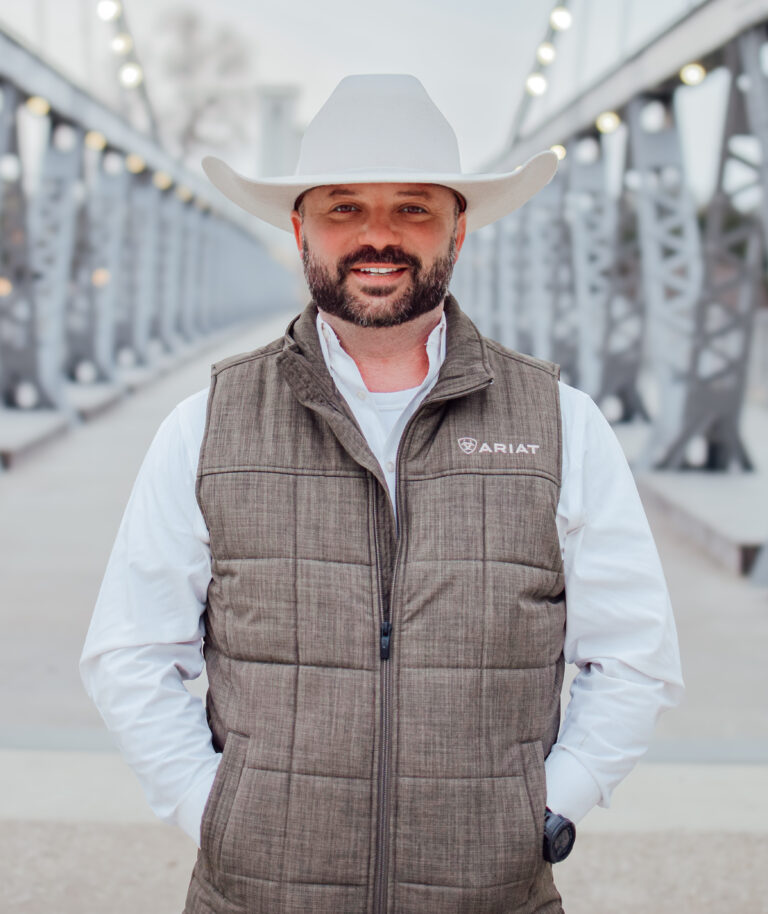
JOSEPH SCARAMUCCI
Director of Law Enforcement Training and Operations, Skull Games Inc.
Joseph Scaramucci is a Detective and Court-Certified Human Trafficking Expert who began his career in law enforcement in 2004, then promoted to Detective in 2008 with the McLennan County Sheriff’s Office, Texas. Since 2014, Det. Scaramucci has arrested over 680 sex buyers, and has conducted operations resulting in the arrest of 163 individuals for trafficking related offenses, identifying 285trafficking victims. He has led state and federal investigations across the U.S. and trained over 726 agencies in 45 states, 33 federal/DoD entities, and 15 countries.
Keynote Discussion
In spite of the leaps and bounds that human trafficking investigators, prosecutors, and advocates have made regarding the enormity and severity of this issue, human trafficking remains a pervasive presence on a global level.
Joseph Scaramucci, a human trafficking law enforcement investigator and subject matter expert is no stranger to confronting human trafficking head on. With years of experience under his belt, Detective Scaramucci will enlighten and empower attendees with investigative insight into both labor and sex trafficking highly prevalent along the country’s coastlines as well as the insidious nature of trafficking within rural communities.